How the NCERT Textbook Rationalisation Is Reshaping the Historical Narrative
Recent revisions to NCERT textbooks have sparked concern that curriculum changes go beyond reducing burden.
Textbooks Under the Microscope
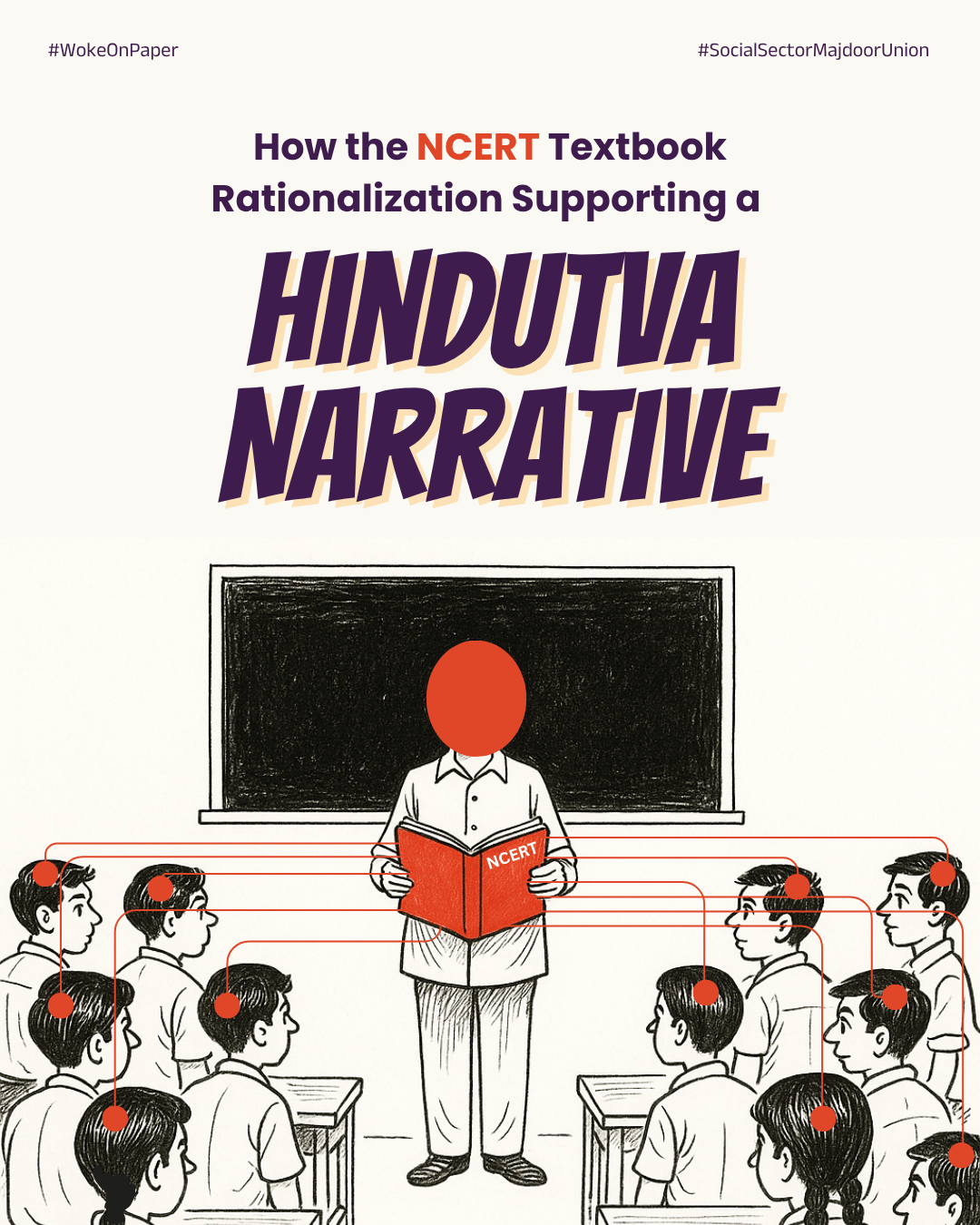
Recent revisions of NCERT textbooks have sparked concern, with critics alleging a deliberate attempt to erase certain historical facts and figures. While NCERT cites reasons like reducing curriculum load due to COVID-19 and aligning with the National Education Policy 2020's focus on conceptual learning, many argue there is a more profound agenda at play.
The NEP 2020 advocates for a "rationalised" curriculum. However, critics suggest this rationalisation has been selectively applied, leading to the removal of content that doesn't align with a particular narrative rather than simply reducing burden.
The Systematic Removal of Mughal History
One of the most contentious changes is the significant reduction or complete removal of chapters on the Mughal Empire and other Muslim rulers from history textbooks.
Class 7 textbooks reportedly removed a table detailing the achievements of Mughal emperors. Information on Aurangzeb and the emergence of regional kingdoms after him has been excluded from Class 8 textbooks. A dedicated Class 12 history chapter on Mughal Courts was also removed.
Riots, Democracy and Deletions
References to the 1992 Babri Masjid demolition and the 2002 post-Godhra Gujarat riots have been deleted from Class 12 sociology textbooks. This included paragraphs discussing how communal violence leads to residential segregation. Chapters on "Democracy and Diversity" and "Challenges to Democracy" were also removed from the Class 10 political science textbook, raising concerns about the dilution of secular principles.
Science vs Ideology
The removal of Charles Darwin's theory of evolution from Class 9 and 10 science textbooks has been met with widespread condemnation from the scientific community. Initially removed from the examination syllabus, it was later reportedly purged entirely from the textbooks for these grades. TMC MP Pratima Mondal highlighted the grave concern, stating that millions of students won't learn Darwin's theory unless they opt for biology in Class 11 or 12.
Millions of students won't learn Darwin's theory unless they opt for biology in Class 11 or 12.
— Pratima Mondal, MP
Whitewashing and Silencing Dissent
Sections detailing Hindu extremists' dislike for Gandhi's pursuit of Hindu-Muslim unity, and attempts on his life, were deleted. The Class 12 history textbook's account of Gandhi's assassination no longer details Nathuram Godse as a "Brahmin from Pune who had published Gandhiji as an appeaser of Muslims," retaining only "Nathuram Godse."
References to Maulana Abul Kalam Azad, India's first education minister and a key figure in India's independence movement, have been removed from the Class 11 political science textbook. Historian S. Irfan Habib remarked that the government is "assaulting the ethos of India by poisoning the school curriculum," highlighting concerns about academic freedom and intellectual integrity.
The government is assaulting the ethos of India by poisoning the school curriculum.
— S. Irfan Habib, historian
Tighter Control, and a New Void to Fill
Recent CBSE guidelines mandate the use of NCERT textbooks for Classes 9-12 and strongly advise them for Classes 1-8. Schools are now held responsible for ensuring no "objectionable content" in any prescribed books, including supplementary materials. Academicians view this move as an attempt to exert tighter control over educational content.
Meanwhile, NCERT has established a committee to integrate Indian Knowledge Systems (IKS) into new textbooks. While promoting indigenous knowledge is positive, critics question whether this initiative is part of a larger plan to replace diverse historical narratives with a specific, culturally driven one.
Will Future Generations Know Their True History?
The long-term impact on mass education is a critical concern. Critics argue that these revisions risk creating a generation with a fragmented, biased understanding of history and society. This could stifle critical thinking, promote intellectual stagnation, and potentially lead to the indoctrination of a particular ideological viewpoint rather than holistic education.
By selectively removing and altering historical and scientific content, there's a risk that future generations of Indian students will be deprived of a comprehensive and nuanced understanding of their nation's complex past. This raises serious questions about academic integrity and the foundation of knowledge.
WokeOnPaper is an independent satire media collective led by a small group of development practitioners. Through memes, stories and commentary, it reflects on the everyday absurdities of the social sector — nudging it towards becoming more honest, participatory and democratic.